
Importance of fitness
Exercise is any bodily activity that enhances or maintains physical fitness and overall health and wellness.
It is performed for various reasons, to aid growth and improve strength, preventing aging, developing muscles and the cardiovascular system, honing athletic skills, weight loss or maintenance, improving health and also for enjoyment. Many individuals choose to exercise outdoors where they can congregate in groups, socialize, and enhance well-being.
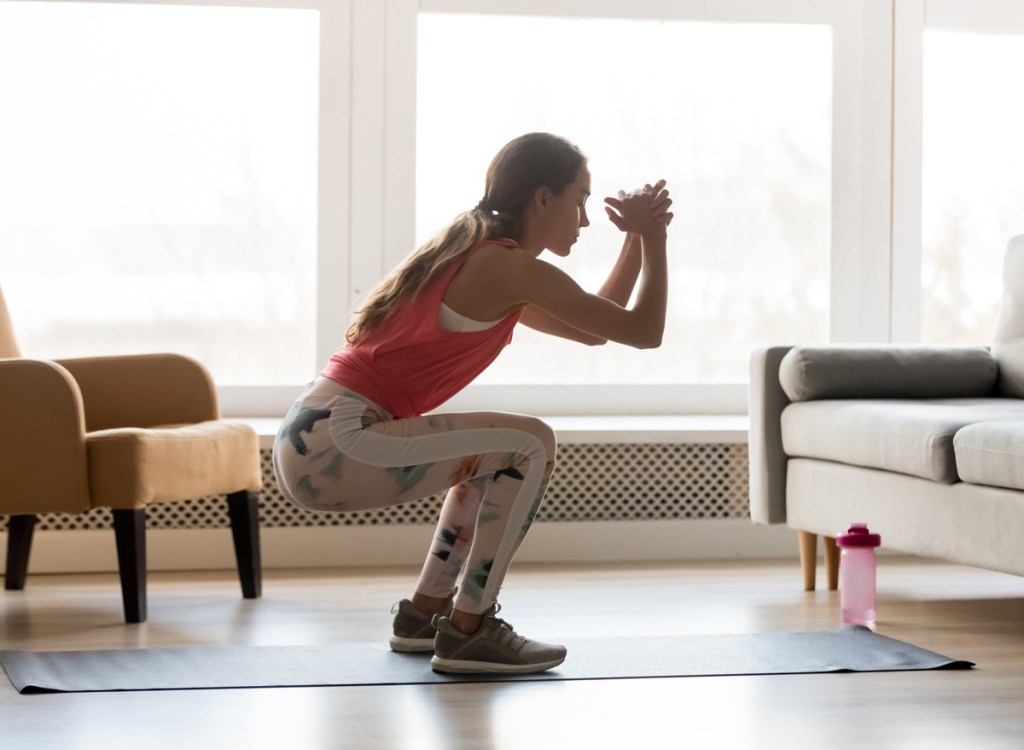

Why fitness important
Physical activity or exercise can improve your health and reduce the risk of developing several diseases like type 2 diabetes, cancer and cardiovascular disease. Physical activity and exercise can have immediate and long-term health benefits. Most importantly, regular activity can improve your quality of life. A minimum of 30 minutes a day can allow you to enjoy these benefits.
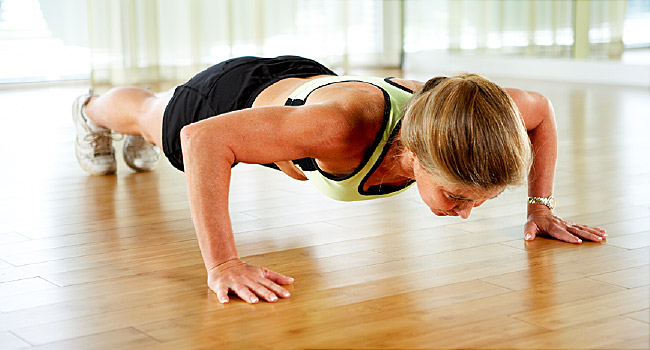
If you are regularly physically active, you may:
1. reduce your risk of a heart attack
manage your weight better
2.have a lower blood cholesterol level
lower the risk of type 2 diabetes and some cancers
3.have lower blood pressure
have stronger bones, muscles and joints and lower risk of developing osteoporosis
lower your risk of falls
recover better from periods of hospitalisation or bed rest
feel better – with more energy, a better mood, feel more relaxed and sleep better.

How it is different from normal life
Exercise and physical activity are good for just about everyone, including older adults. No matter your health and physical abilities, you can gain a lot by staying active. In fact, studies show that “taking it easy” is risky. Often, inactivity is more to blame than age when older people lose the ability to do things on their own. Lack of physical activity also can lead to more visits to the doctor, more hospitalizations, and more use of medicines for a variety of illnesses
Including all 4 types of exercise can benefit a wide range of areas of your life. Staying active can help you:
1:-Keep and improve your strength so you can stay independent
2:-Have more energy to do the things you want to do and reduce fatigue
3:-Improve your balance and lower risk of falls and injuries from falls
4:-Manage and prevent some diseases like arthritis, heart disease, stroke, type 2 diabetes, osteoporosis, and 8 types of cancer, including breast and colon cancer
Sleep better at home
5:-Reduce levels of stress and anxiety
Reach or maintain a healthy weight and reduce risk of excessive weight gain
6:-Control your blood pressure
Possibly improve or maintain some aspects of cognitive function, such as your ability to shift quickly between tasks or plan an activity
7:-Perk up your mood and reduce feelings of depression
 BFitSaGa